Broken and healed femur bone
A broken and healed femur.

The famous anthropologist Margaret Mead was asked what she considered to be the first sign of humanity. While the questioner expected an answer like cave paintings, religious icons, etc. Mead explained that the first sign was a thousands of years old fractured and healed femur, the long bone in the leg. In the animal kingdom, if you break your leg, you die. A broken femur that has healed is evidence that another person has carried the person to safety and has tended to them through recovery. A healed femur indicates that someone has helped a fellow human, rather than abandoning them to save their own life, that is when we developed humanity.

find out more about this parable here.

This project provides FREE coloring pages around the theme of what makes us human – caring for and helping others! 50+ images produced by 25 artists, for kids and adults. Click the images to be taken a page to download high resolution versions of the images and to learn more about the history.
A scene of a father and child collectiong beavers from a trap
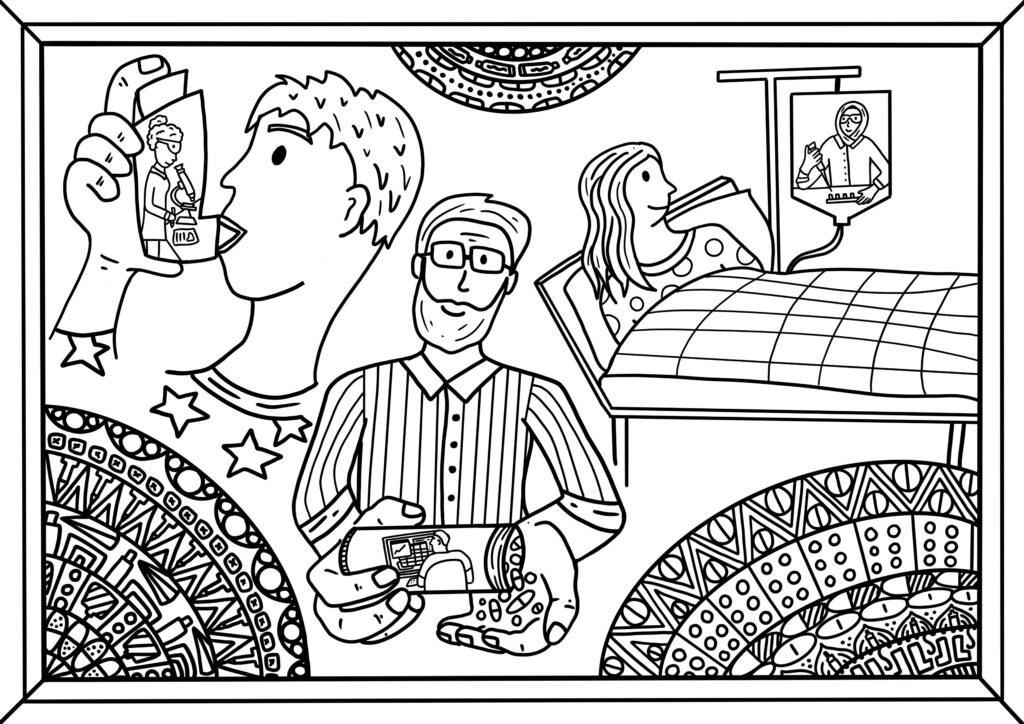
Three people taking different types of medication. Inside the medication are images of scientists.
A grandfather talking to his grandchild on shetland
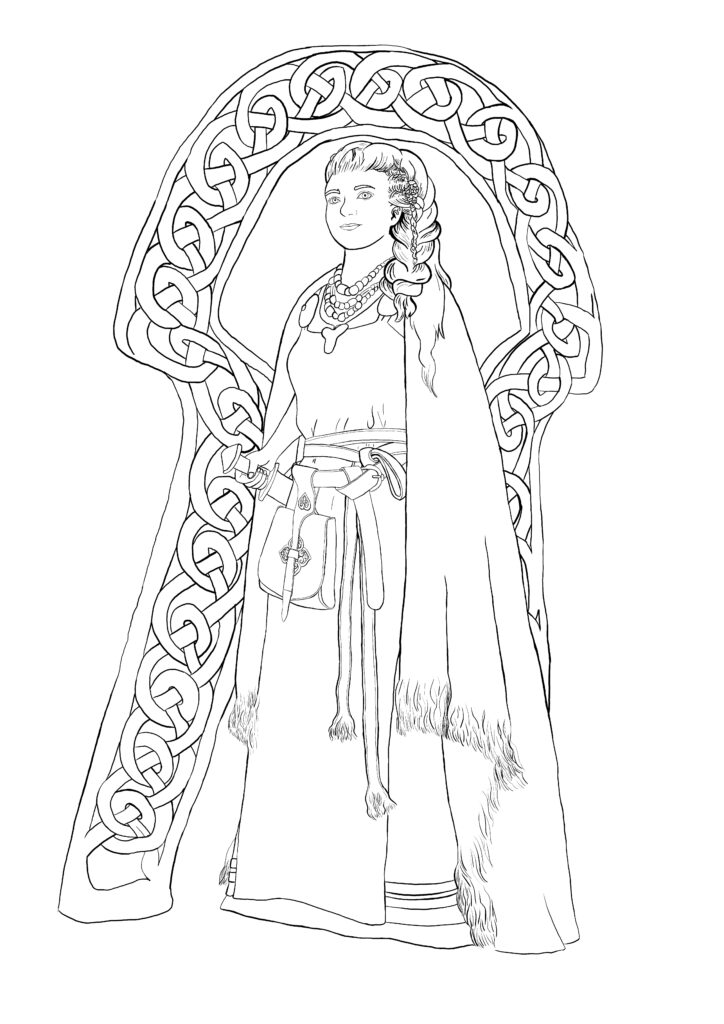
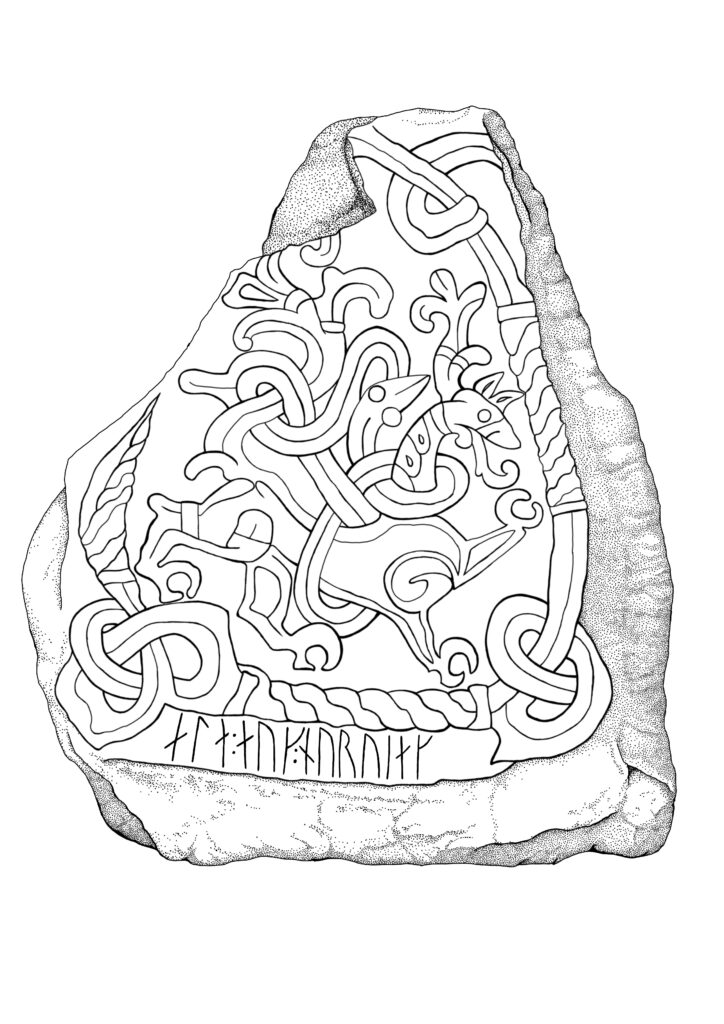
A Rune stone created by Harald Bluetooth in memory of his parents, King Gorm and Queen Thyra.
A women caring for a man inside their home
Image of a Marten Head
Masks
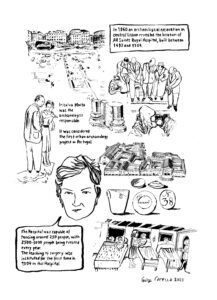
Cartoon og the history of Hospital Real de Todos-os-Santos
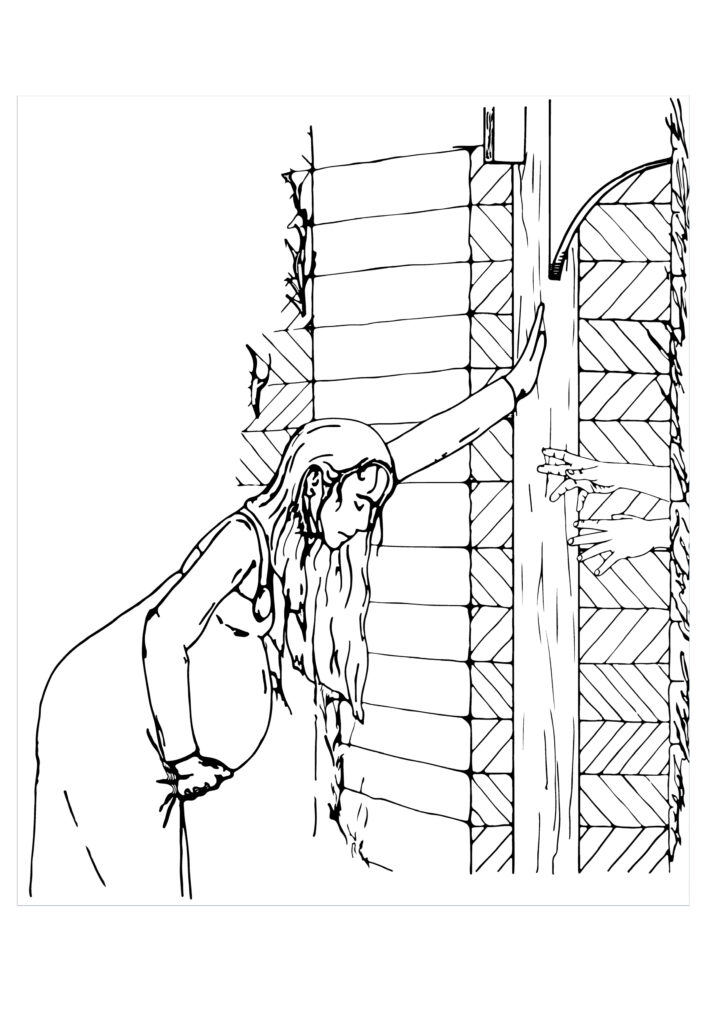
A viking women in labour
Image of shaman, plants with healing properties and masks
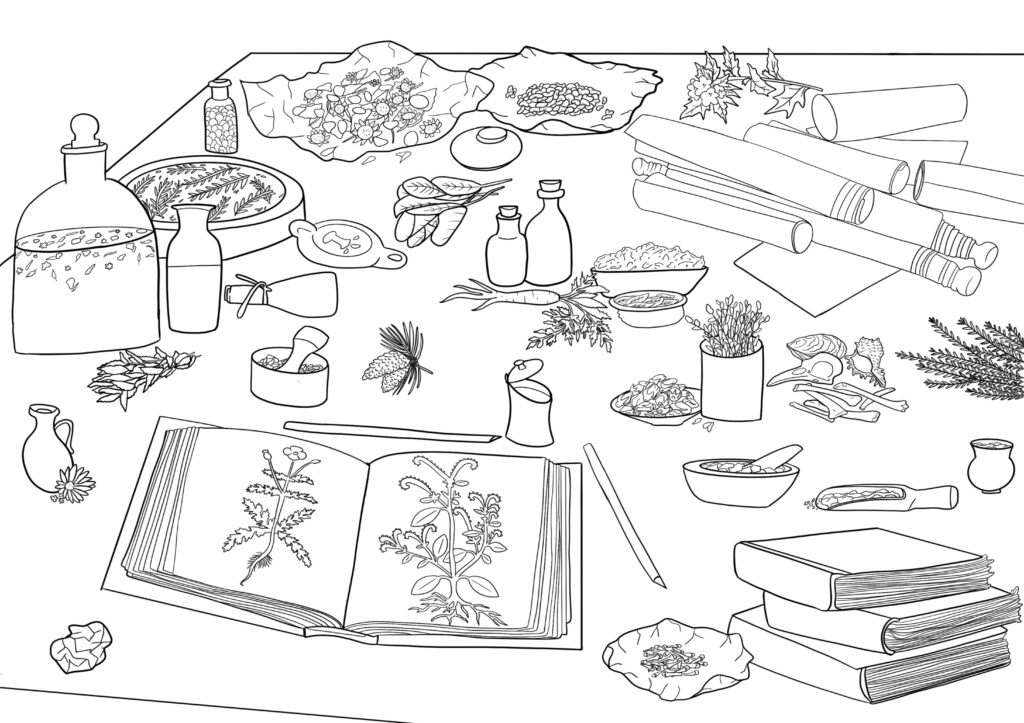
Mutiple different plants used for healing by Romans
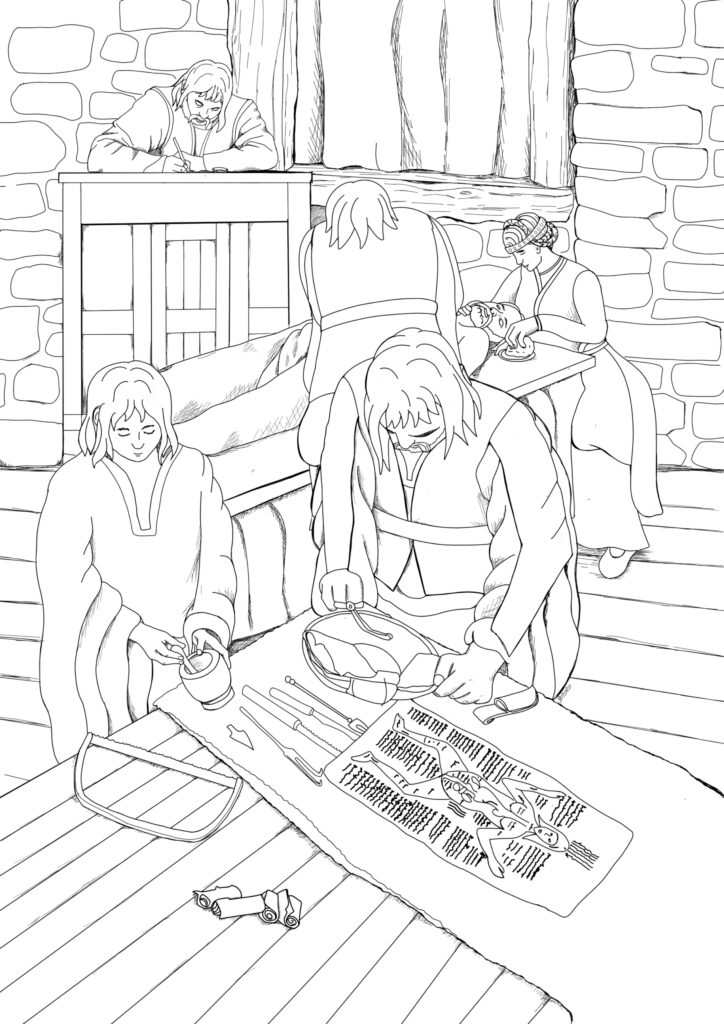
Physicians conduction surgery on a person
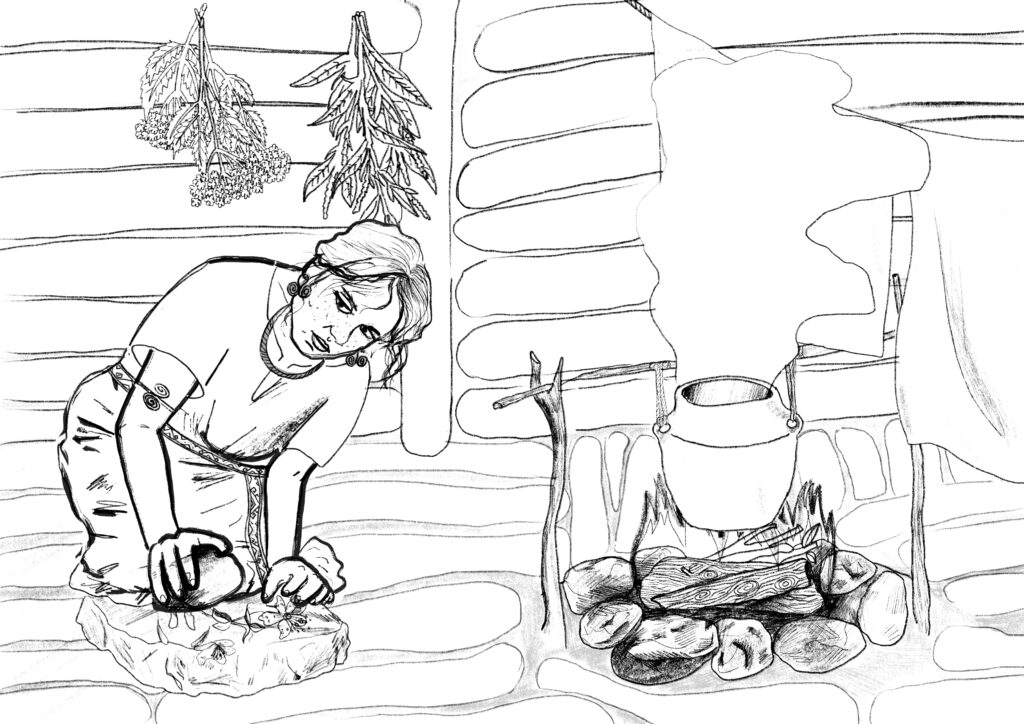
A women preparing healing herbs at Biskupin
Two women outside the Rotunda hosipital in the 1800s
Comic of story. Student asks, 'Margaret Mead, what is the earliest sign of civilization'. Mead responds, 'the first sign of civilization is a healed femur. In the animal kingdom if you break a leg, you die. A broken and healed femur means that someone has carried the person to safety and cared for them. It means that someone has helped a fellow human, rather than abandoning them.'
Six Chibi characters from different time periods and with different disabilities
A person braiding another person's hair
People hunting a mammoth - one has fallen and hurt their leg
An archaeologist holding up the toy horse and thinking about someone using it
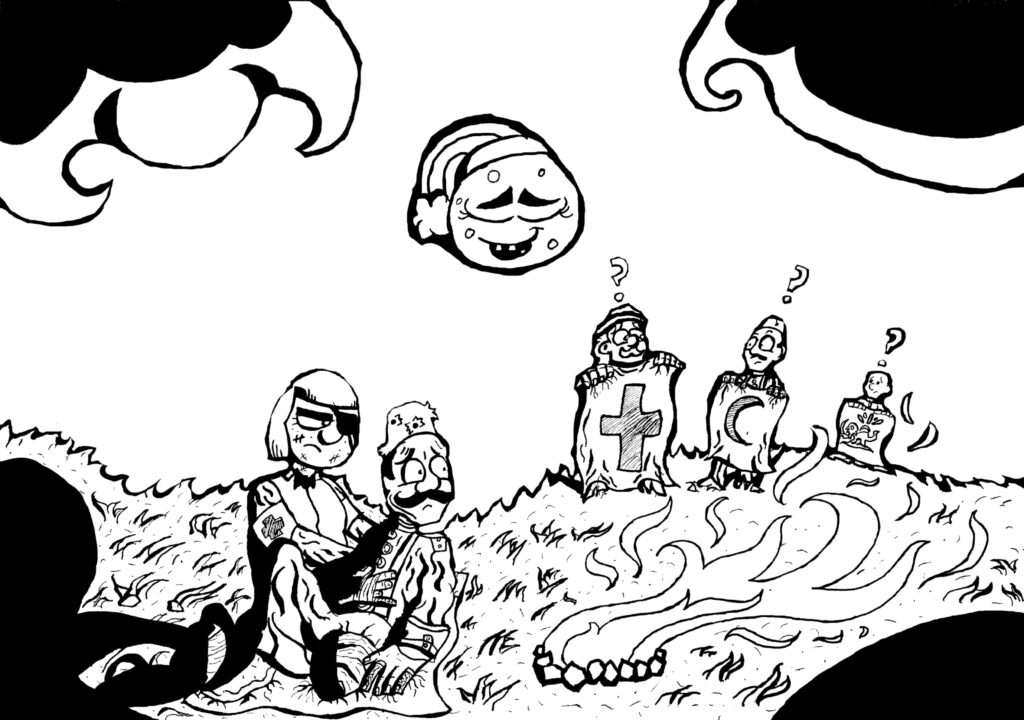
Three people holding up different 'Red Cross' flags
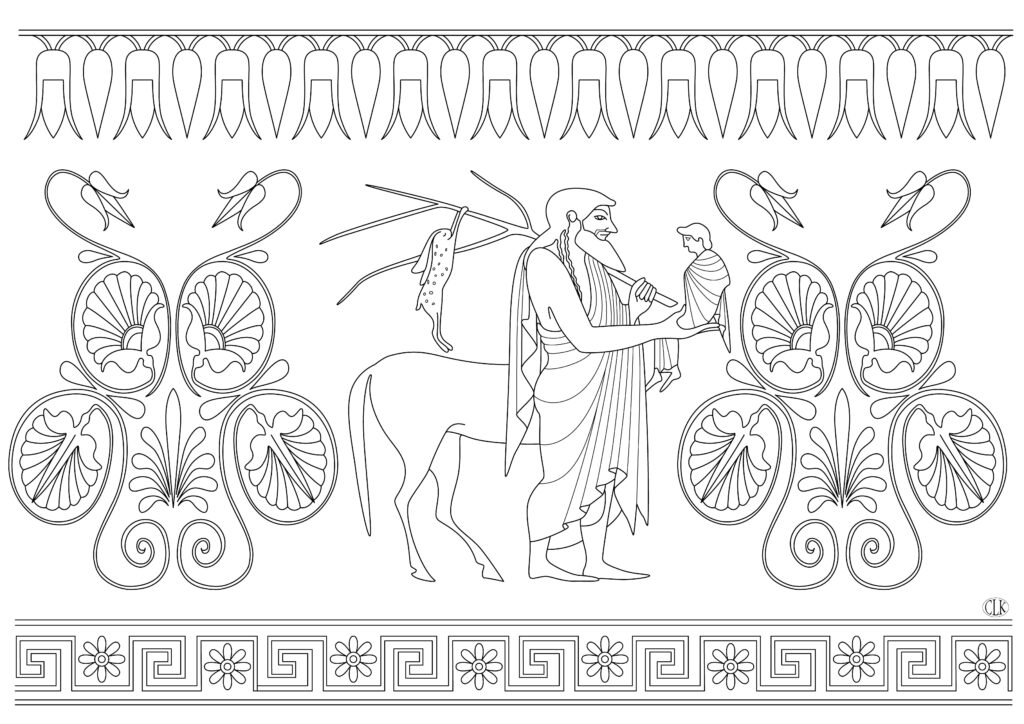
The centaur chiron.
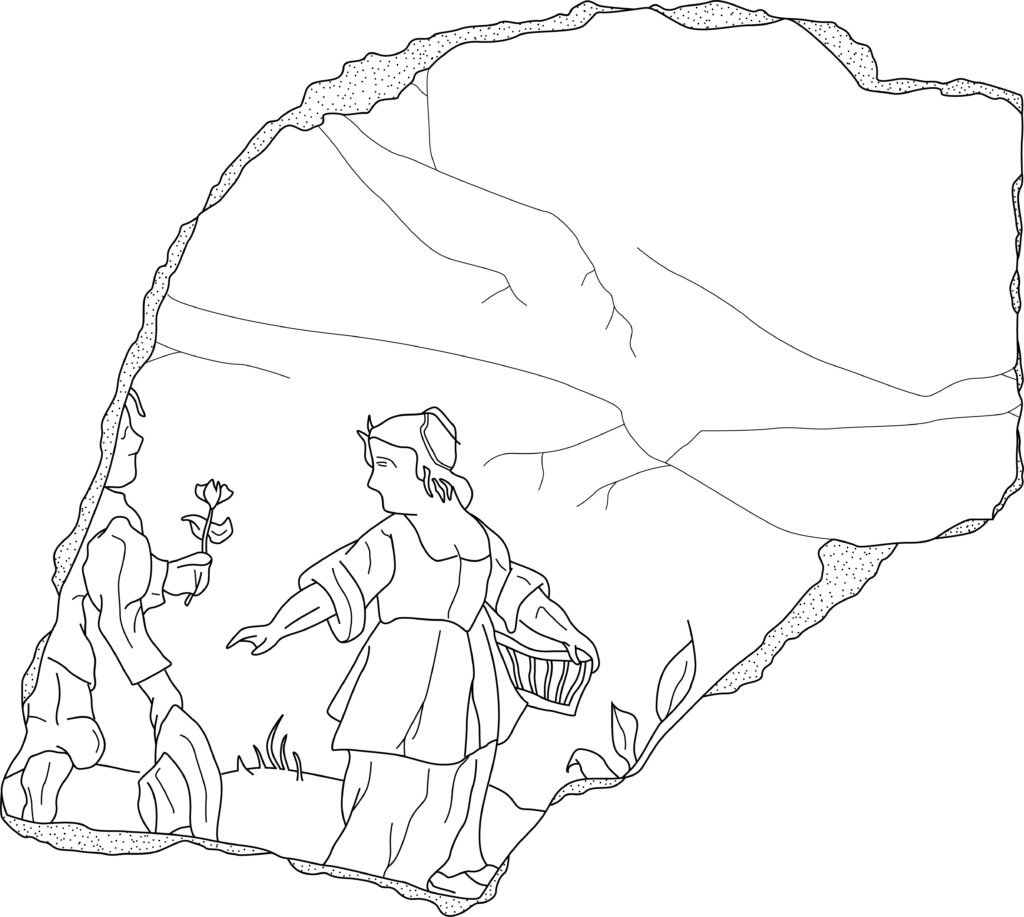
A delftware tile that depicts a romantic scene where a young man hands a flower to the girl he loves.
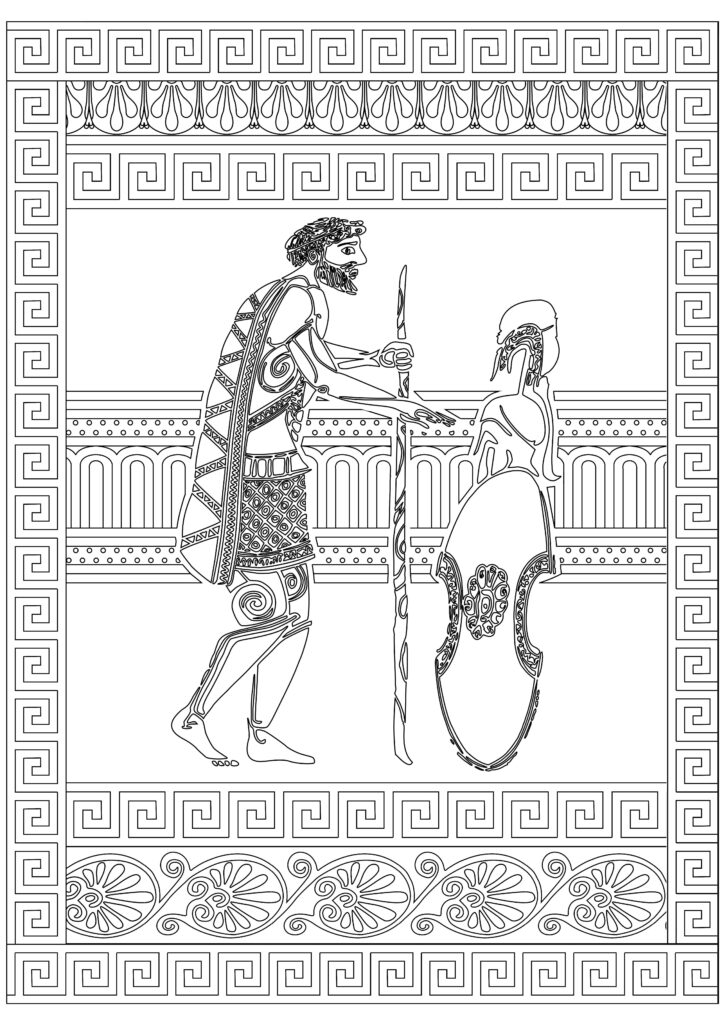
Agesilaus II - A Disabled Spartan
The inside courtyard of an almshouse
A Minoan fresco with sealife such as fish and dolphins
Image of women kneeling next to a pond and temple
Table with scrolls and herms on it
A mohter teaching her child
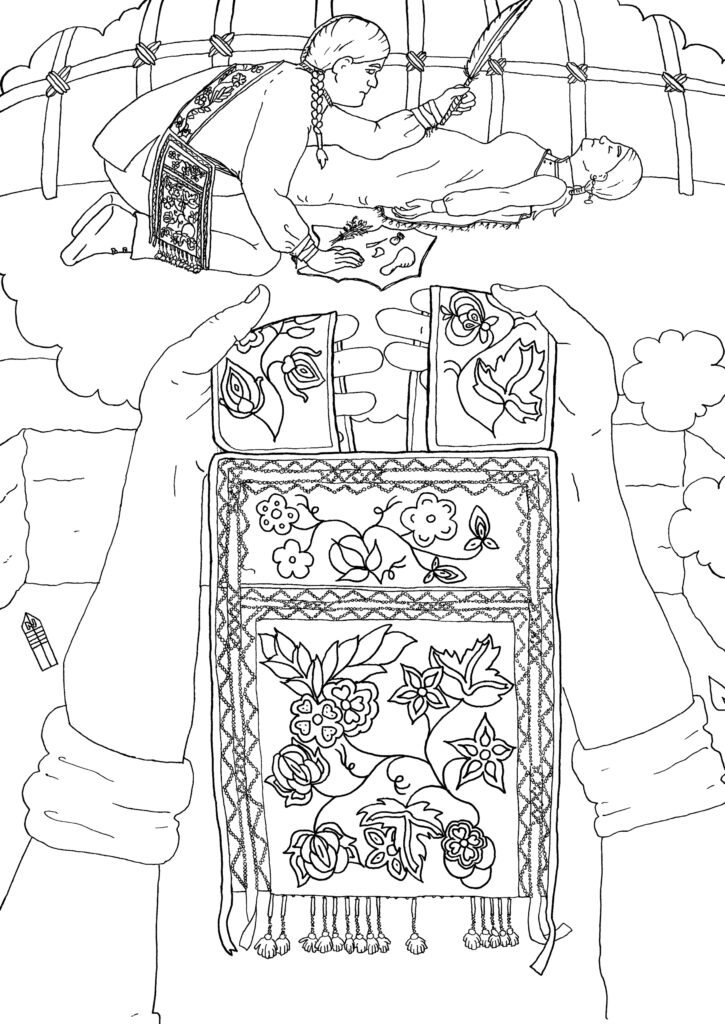
An archaeologist holding up an Ojibwe bad and thinking about someone using it
Hands holding a range of bronse age toys - figures and animals
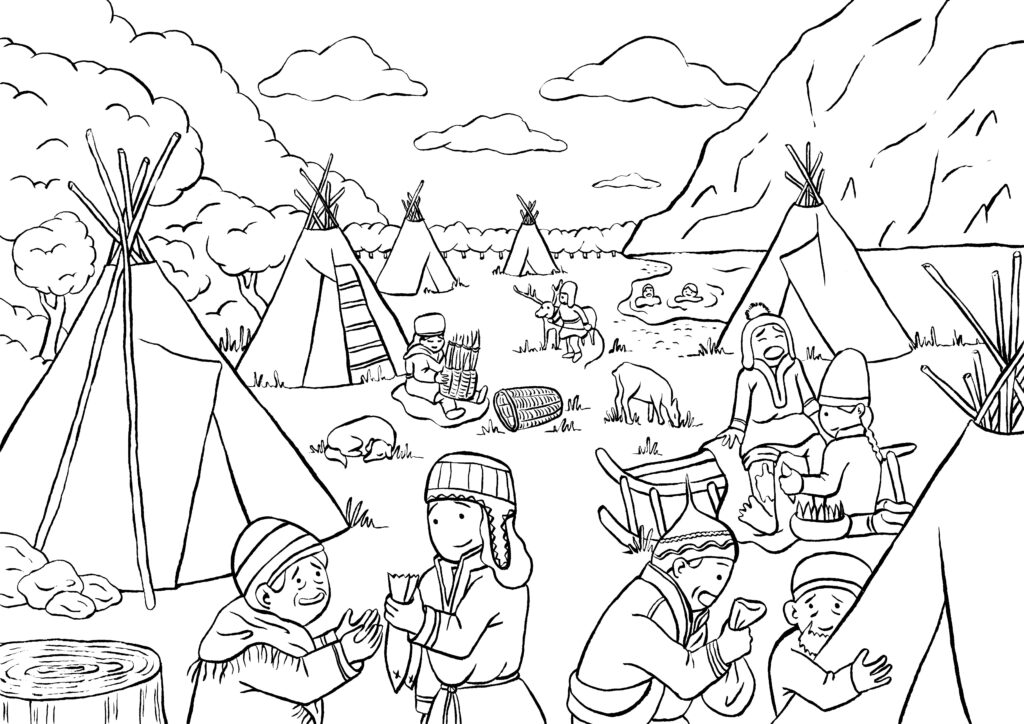
A village scene with people untertaking differenct activities like making baskets, giving food and more
A neanderthal caring for another neanderthal hurt by a goat
Eir
A scene of teacher teaching two pupils
Mary Seacole
Four people sitting and playing musical instruments.
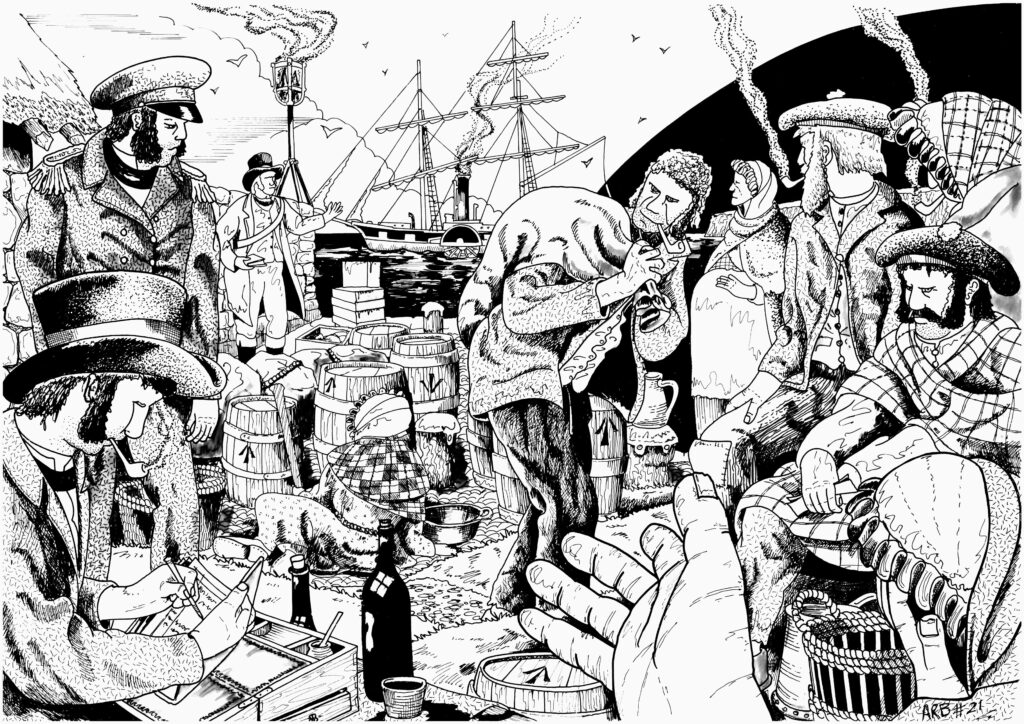
Scotland's Potato Famine
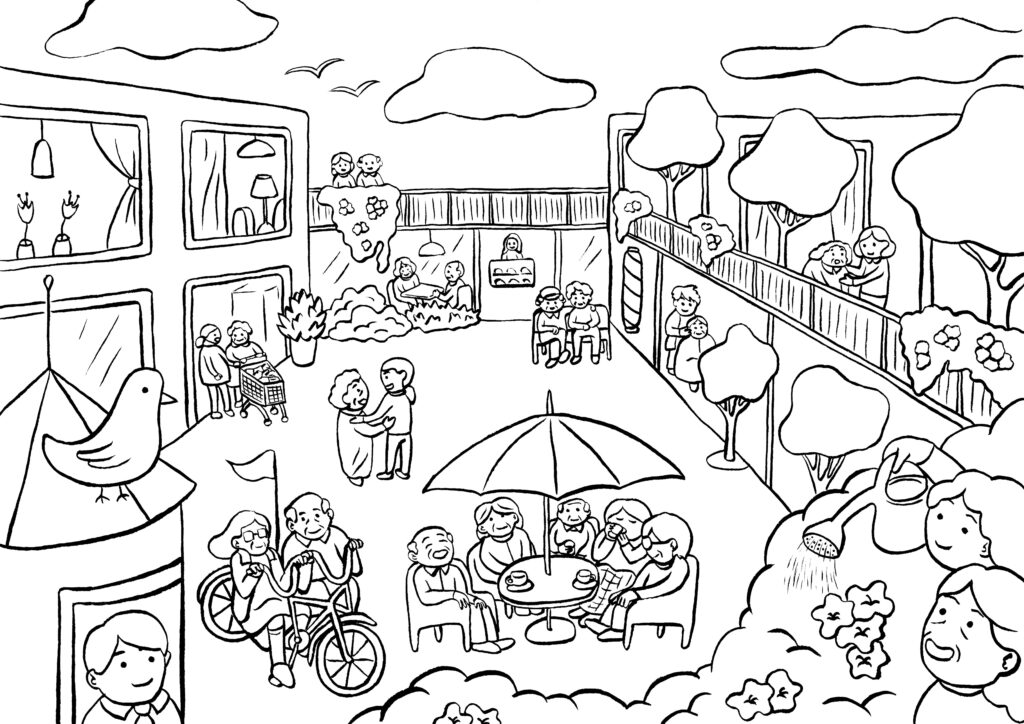
De Hogeweyk – Nursing home
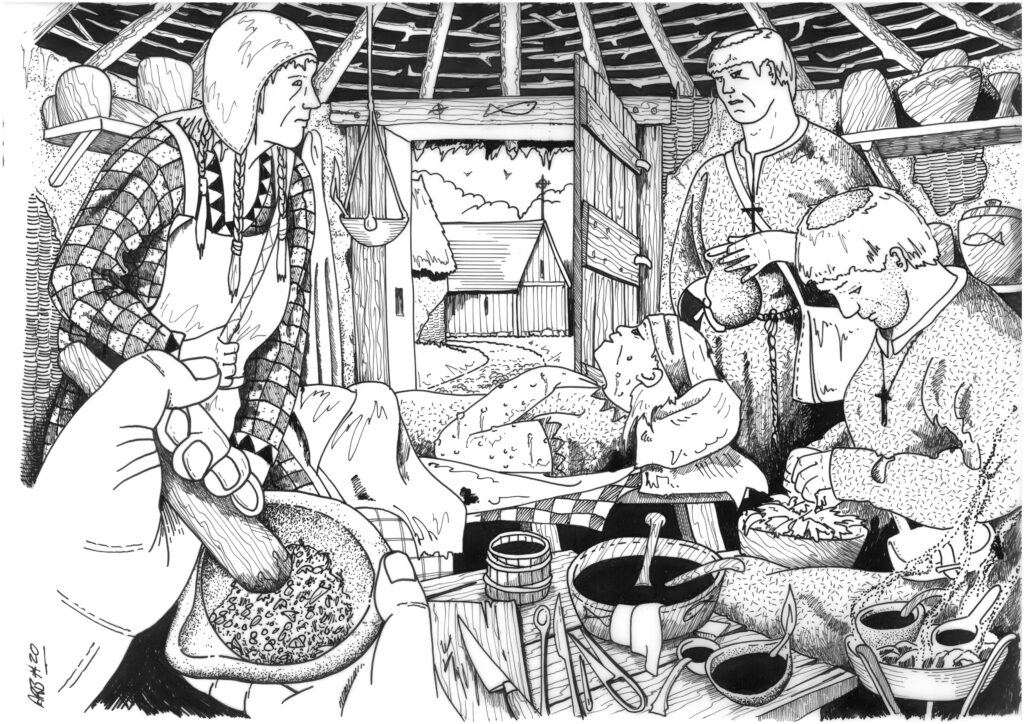
Several monks attending to a sick person
Hands holding flowers
A chelsea pensioner getting his leg inspected by a doctor
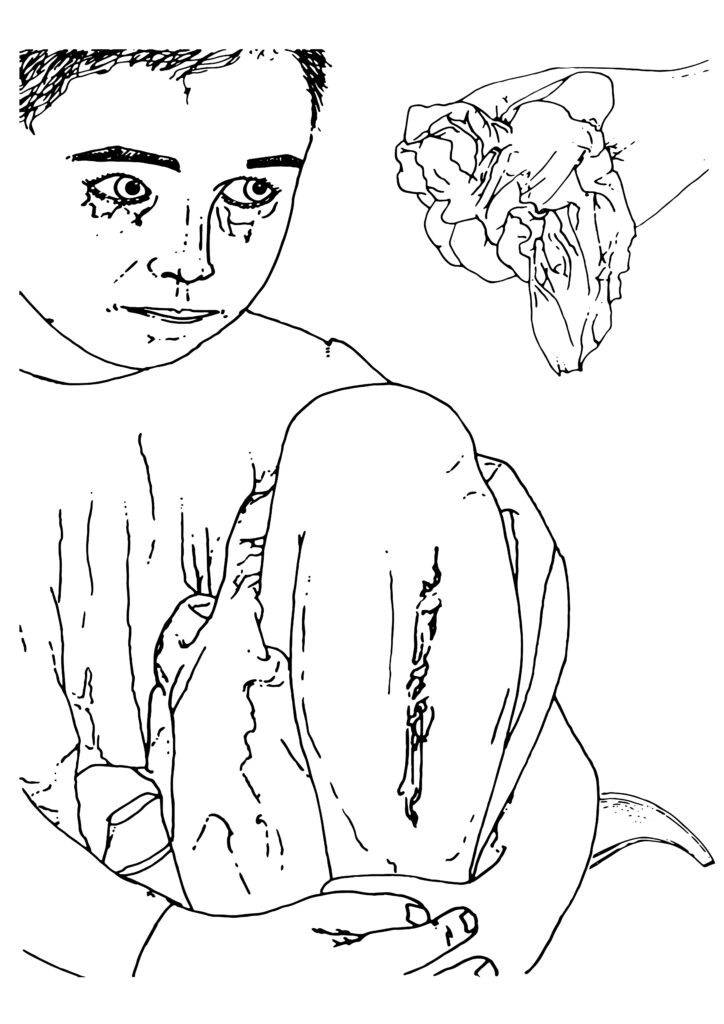
A child with a scraped knee.
A women walking along a trail carrier a jug
Prince Lu playing a guqin, a seven-string musical instrument
Bapedi Culture & Medicinal plants
Images of broken bones and test that says - helping someone else through difficulty is where civilization starts

Currently, the images are mainly European themed, because the project was originally funded by the European Cultural Foundation, but we hope to cover the world in the future.